
Market Insights - Student Housing
Is there still a future for investors of Ann Arbor private student housing?
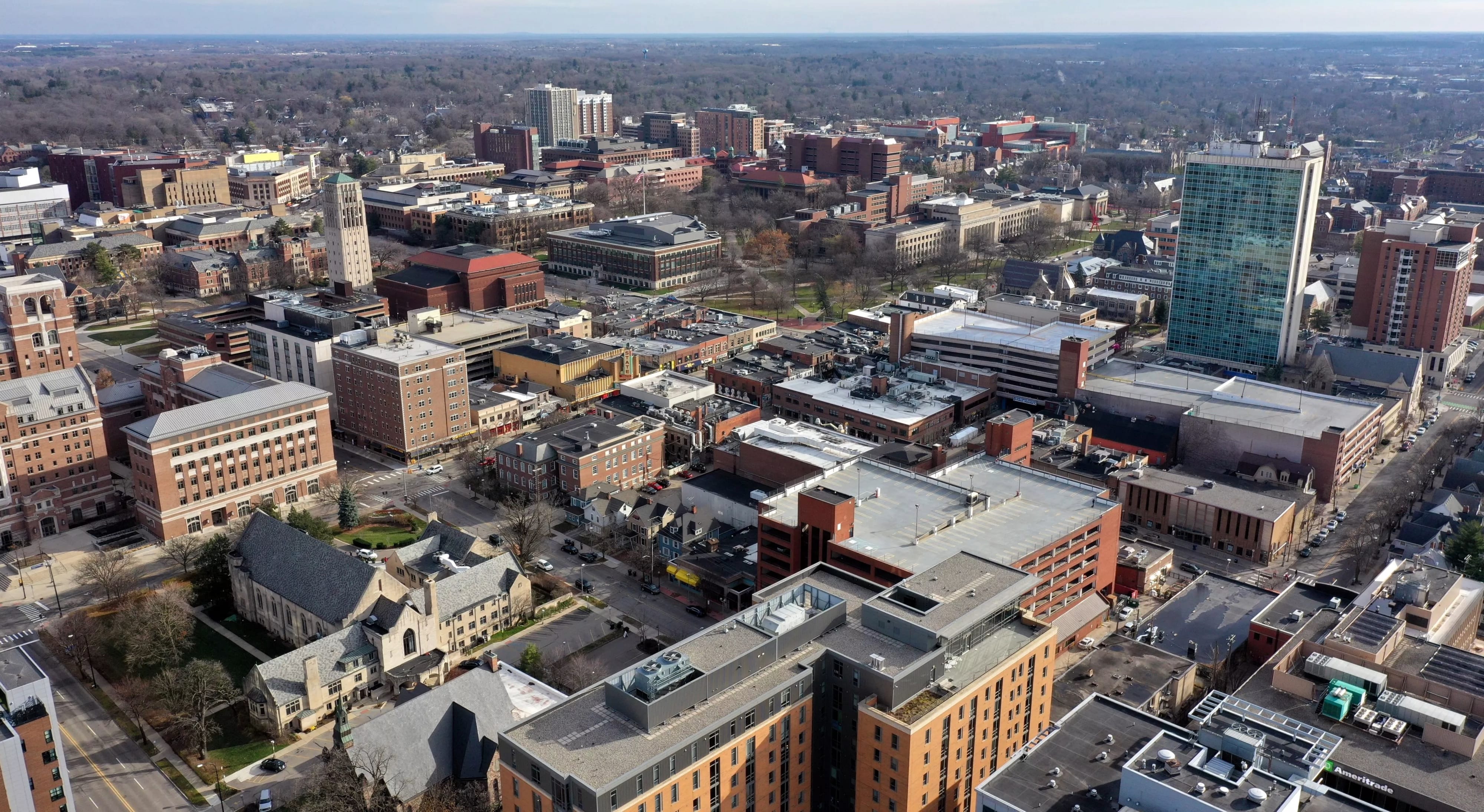
The University of Michigan's ambitious campus housing expansion — a multiphase, $600M+ dormitory program adding 4,400+ beds to Central Campus — prompts a central question for private real estate investors and developers: does meaningful opportunity remain in the Ann Arbor student housing market?
We continue to see substantial private market opportunities for investors and developers for a few reasons. The first reason is enrollment growth.
Between 1975 and 2000, student enrollment grew by 5%. In the fall of 2000, it accelerated, growing to 40% between 2000 and 2025. For the fall semester of 2025, the University of Michigan enrolled a record 9,711 incoming students, a 10% jump from the prior year. Fall 2026 indicates to be even larger as the university received over 100,000 applications for admissions. With enrollment growth, rents track accordingly.
The second reason we see opportunities in private student housing is audience. The tenant base who chooses to live in Ann Arbor private offerings would not choose to live in a dorm. Sophomore, upperclassmen and graduate students are all the private market’s core audience. This is only reinforced by the vacancy rate. Ann Arbor maintains one of the more competitive residential rental markets among Midwestern university cities. Ann Arbor's citywide rate hovers around 6%. Close to campus, vacancy sits roughly at 3%, indicating undersupply. Furthermore, the university’s housing expansion is explicitly targeted toward first-year students.
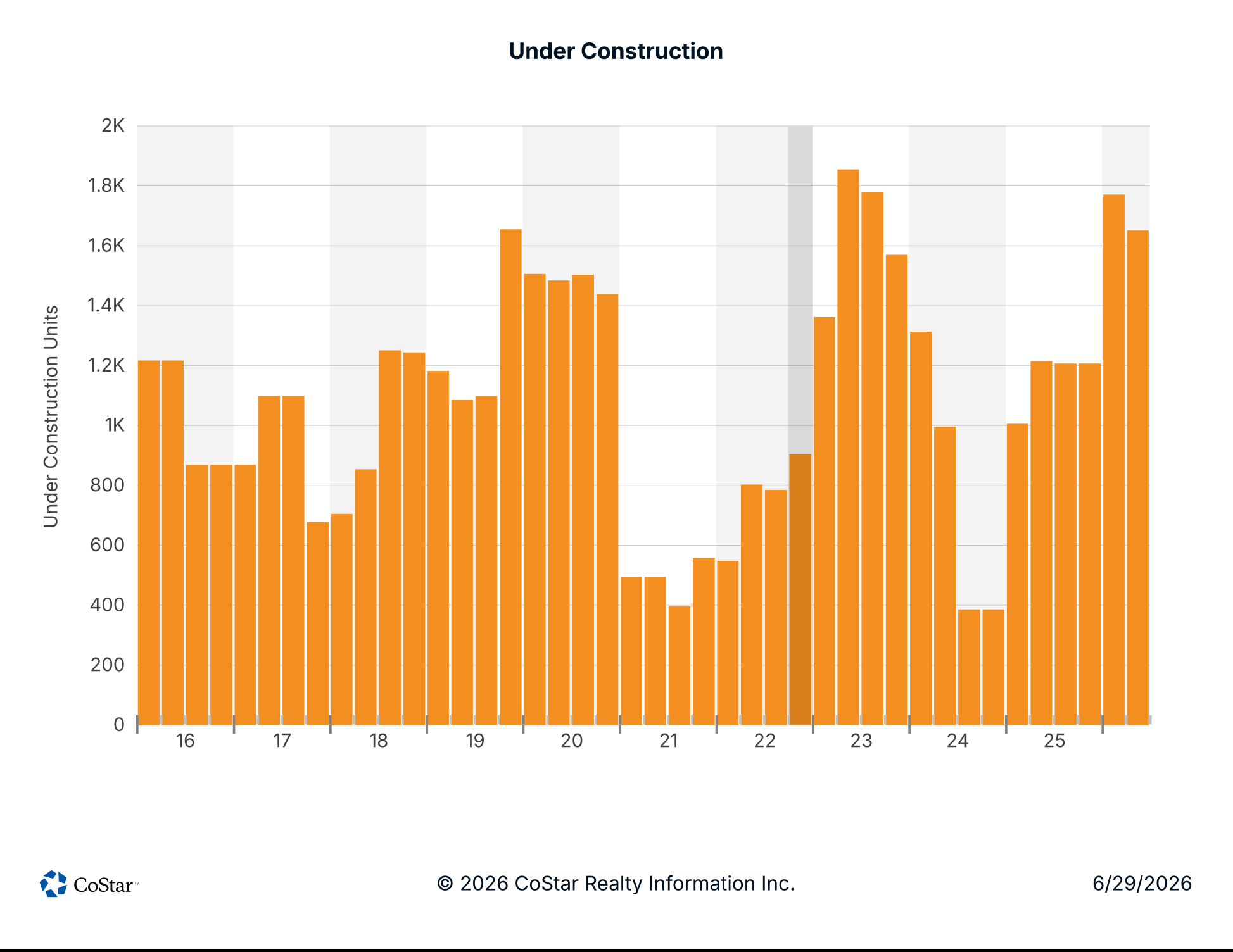
Zoning changes supported in the Ann Arbor Comprehensive Land Use Plan, provide a great tailwind for developers and investors, too. Select areas of Ann Arbor are earmarked for greater density buildings. Greater density accommodations change the fundamental math: more units spread across the same land cost.
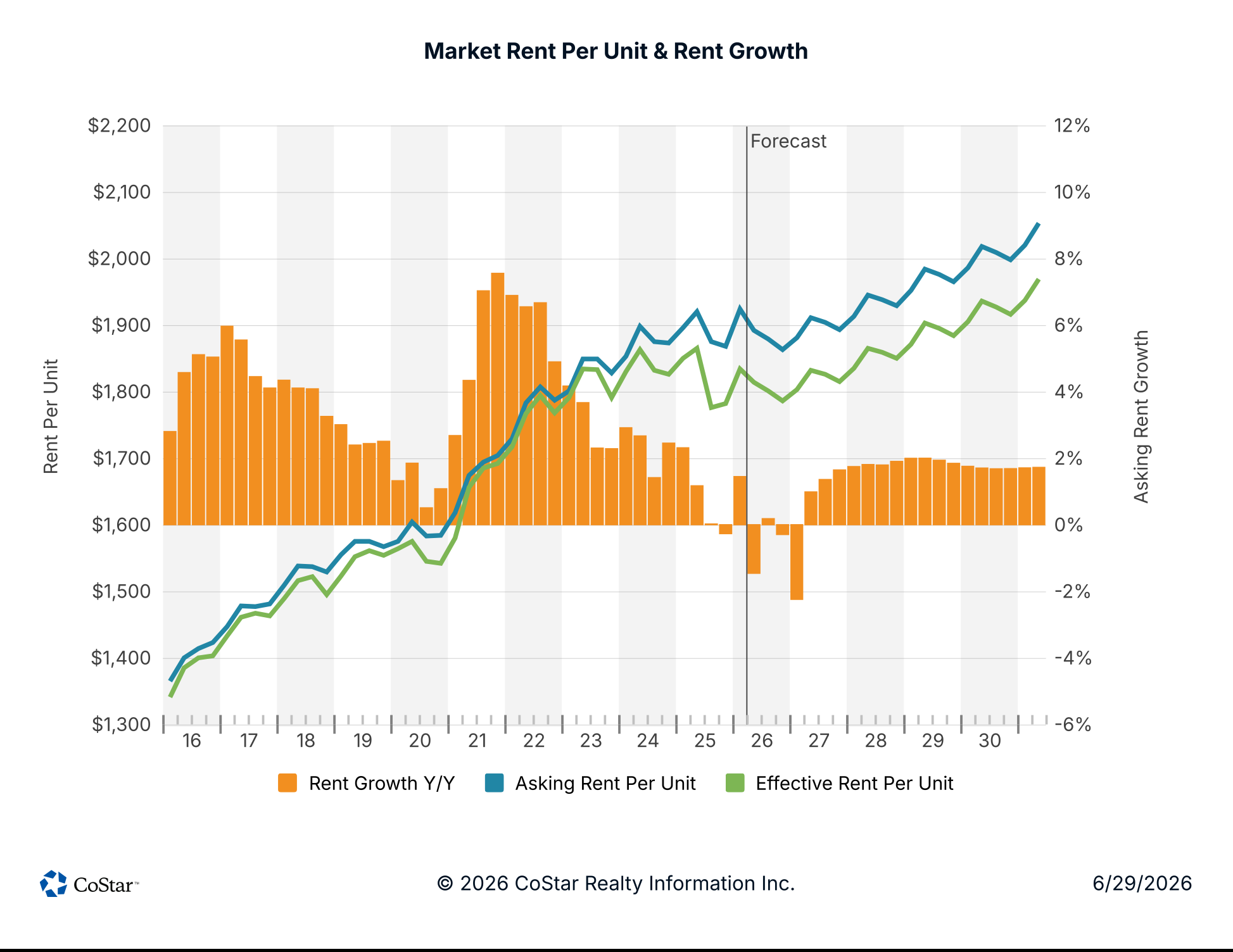
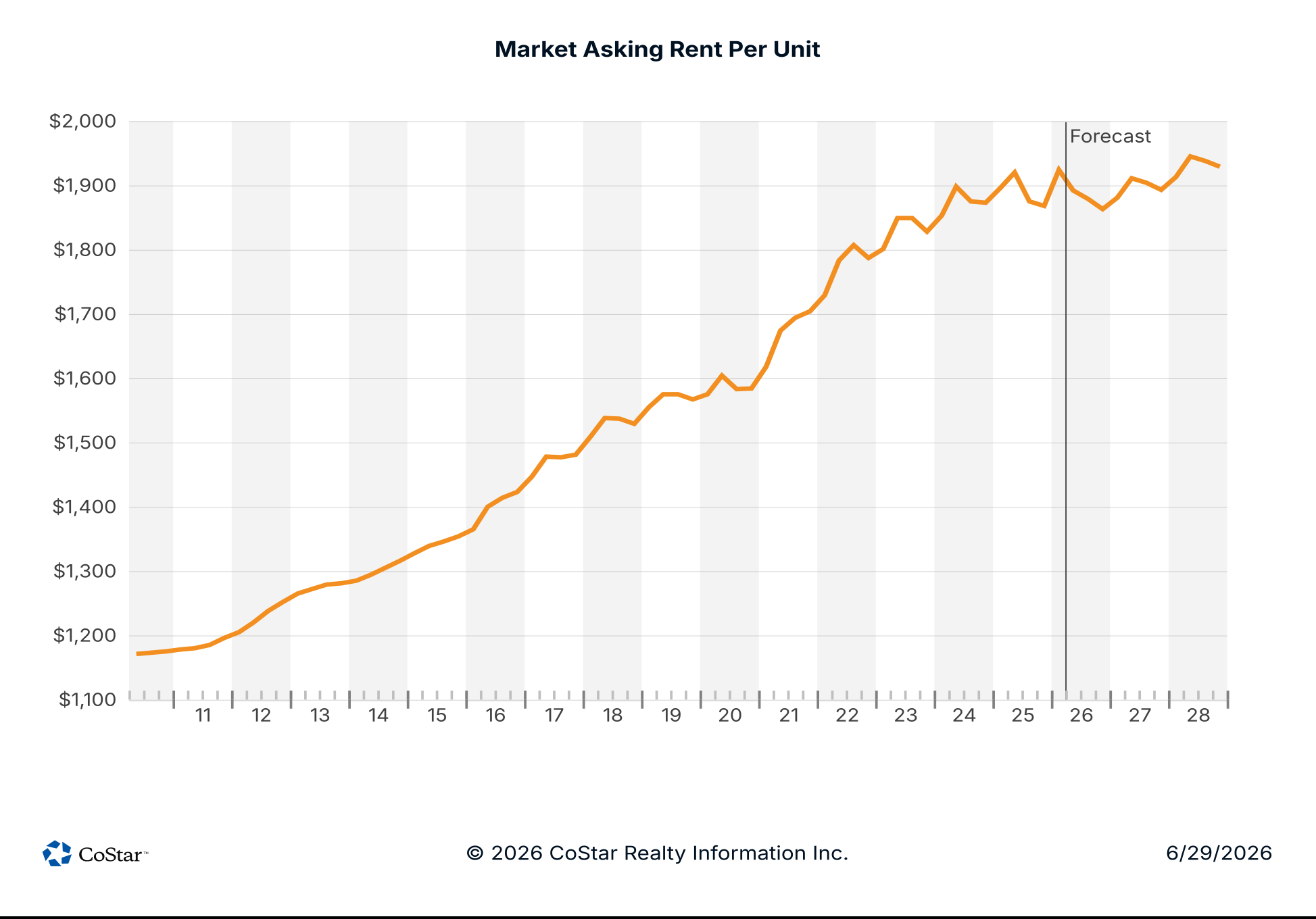
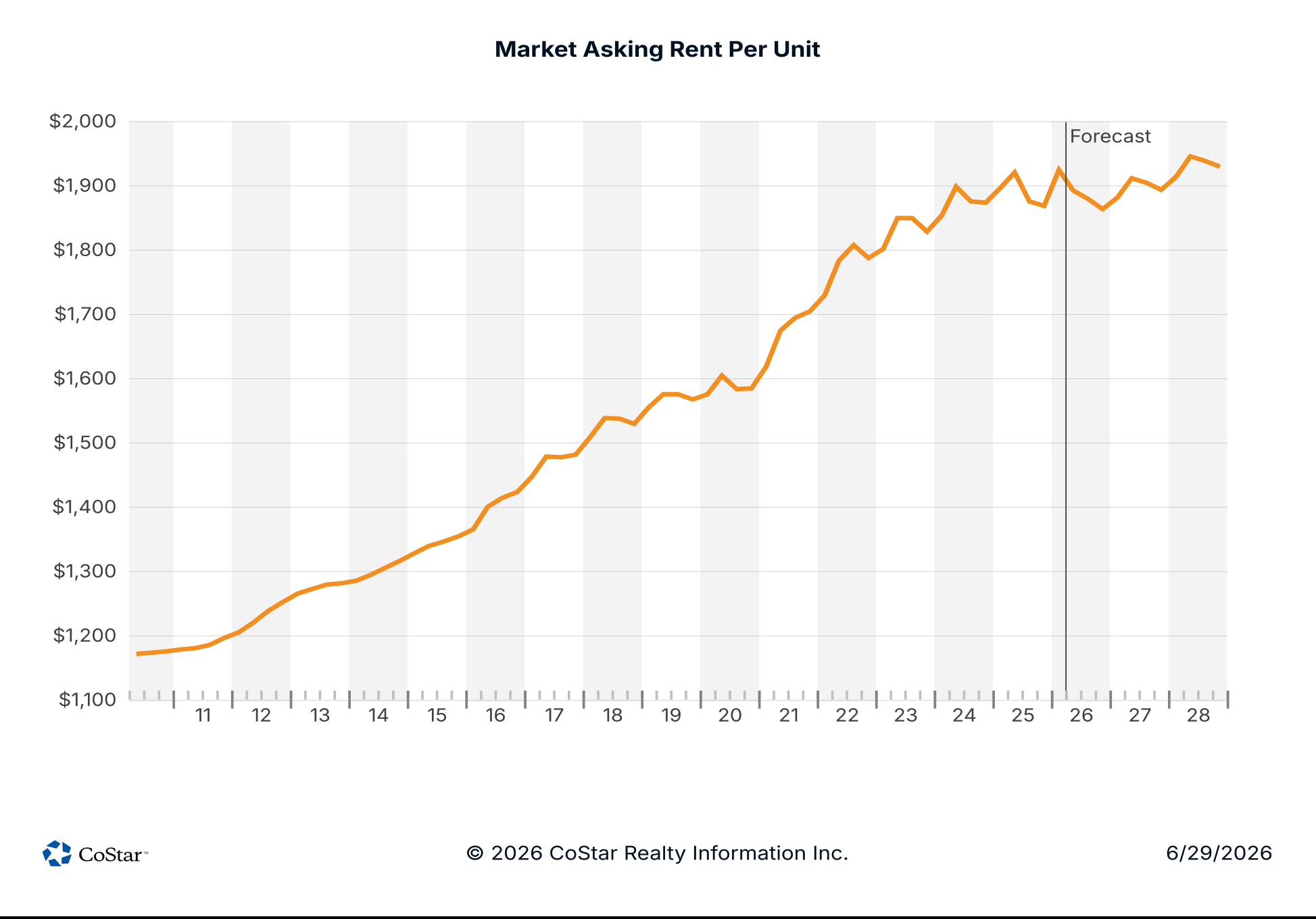
Current market conditions continue to signal possibility. Recent high-rise properties, The Legacy and the Vic Village South, were both completely leased full before the start of the 2025-2026 academic year. And while the near-term rents are forecast lower overall, they far exceed other markets such as East Lansing and Detroit. The rent decline is just the market absorbing the new supply. With enrollment continuing to set records, the medium-term rental outlook for well-located, high-quality buildings remains strong.
Our recommendation to developers is to focus on walkability or along bus routes to central campus that caters to the graduate population near Ross, the Law School, the Medical School and North Campus. Builders should consider mix-used with attractive ground-floor retail, hosting demand boutiques like health and wellness or food and beverage.